ईश कृपा बिल्डिंग, 16/1/1 साउथ तुकोगंज, राजशाही होटल के पास एवं Superspeciality अस्पताल के सामने, इंदौर (452001)
Call: +91-9167154735, +91-9826419771, 07314959487
Email: totalfertilitysolutions@gmail.com

Advances in fertility treatment have made it possible for individuals and couples to preserve their reproductive cells for future use. Cryopreservation is a specialised medical technique that allows eggs, sperm, or embryos to be frozen and stored safely for later fertility treatment.
At Total Fertility Solutions, our advanced cryopreservation programme in Indore provides safe and effective fertility preservation using modern laboratory technology and internationally accepted protocols.
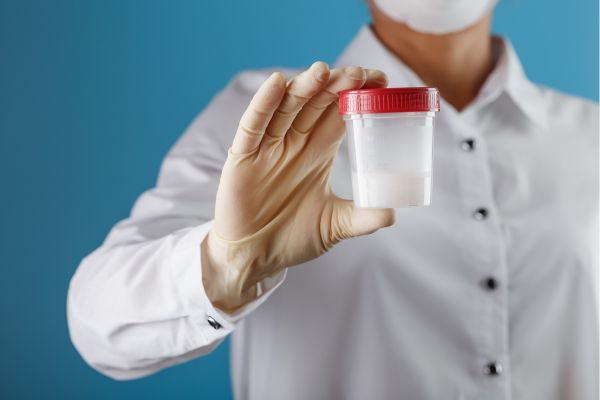
Cryopreservation is the process of freezing and storing reproductive cells such as eggs, sperm, or embryos at extremely low temperatures (–196°C) using liquid nitrogen to preserve their viability.
Allows women to preserve their eggs for future pregnancy, ideal for those delaying childbearing or undergoing medical treatments.
Recommended for men wishing to preserve fertility before medical procedures or conditions that may affect sperm quality.
Often used during IVF, where extra embryos created are frozen and stored for future family building attempts.
We utilize advanced vitrification and slow-freezing techniques to protect cellular structural integrity during the transition to sub-zero temperatures. By meticulously managing the introduction of protective cryoprotective agents, we prevent the formation of damaging ice crystals that could compromise future sample quality. This rigorous, standardized protocol ensures your biological material remains safely suspended in a stable environment until the moment it is needed.
Eggs, sperm, or embryos are collected under strict medical supervision.
Samples are prepared using specialised techniques to protect cell integrity.
Advanced rapid freezing methods prevent ice crystal formation.
Samples are stored in secure, monitored cryogenic tanks for future use.
Cryopreservation provides flexibility and peace of mind for future family planning.
Those undergoing IVF who have extra embryos available.
Individuals facing chemotherapy or radiation therapy.
Men and women looking to preserve their reproductive options.
The cost varies depending on the procedure, necessary tests, and the duration of storage. It typically includes fees for collection, initial freezing, and annual storage.
Yes, it is safe to freeze sperm for many years. Sperm can survive for 20 years or more when stored under proper cryogenic conditions.
It is possible to freeze eggs at 37, but quality and quantity may be lower compared to younger ages. Consulting a specialist is essential.
Freezing eggs at 45 may be possible in some cases, but success rates are generally lower due to natural declines in egg quality. A specialist must evaluate individual eligibility.
Women are born with a finite number of eggs. A significant portion is depleted by age 30–35, and the ovarian reserve declines rapidly after age 35.
Cryopreservation is a specialized programme where embryos, eggs, or sperm are frozen at extremely low temperatures for future use. This allows patients to preserve their fertility for medical reasons or personal timing.
Theoretically, frozen biological samples can be stored indefinitely. Modern "vitrification" techniques ensure that the quality remains stable for many years, allowing you to plan your family whenever you are ready.
Yes, while the initial freezing is part of the procedure, most cryopreservation programmes involve an annual maintenance or storage fee to ensure the samples are kept in a secure, temperature-monitored environment.
Schedule your consultation to learn more about safeguarding your reproductive health.