ईश कृपा बिल्डिंग, 16/1/1 साउथ तुकोगंज, राजशाही होटल के पास एवं Superspeciality अस्पताल के सामने, इंदौर (452001)
Call: +91-9167154735, +91-9826419771, 07314959487
Email: totalfertilitysolutions@gmail.com

Laser-assisted hatching is an advanced IVF laboratory procedure that has been proven to help improve the chances of embryo implantation. In some cases, embryos may not hatch naturally from their outer casing before implantation. We use advanced laser technology to thin out the outer casing of the egg, ensuring successful implantation.

The whole process takes a short time under strict laboratory conditions to ensure the safety of the embryo.
Embryologists first examine the embryo and determine whether assisted hatching may improve implantation potential.
A precise laser is used to thin or create a small opening in the embryo’s outer shell (zona pellucida).
The embryo is then transferred to the uterus after the procedure within the IVF cycle.
Laser-assisted hatching can be considered in certain cases where difficulties are encountered during the natural implantation process.
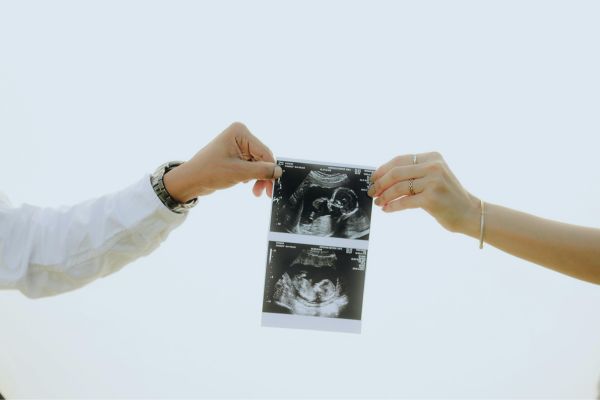
Fertility treatments can be overwhelming; the right support and expertise make the journey easier. At Total Fertility Solutions, we aim to give you the best possible chances of a healthy pregnancy.
Work with top fertility specialists and embryologists.
Using the latest laser hatching and IVF laboratory tools.
Every fertility journey is unique and treated individually.
Continuous monitoring to ensure the highest standard of care.
Patient-centric consultation throughout your treatment.
Improving embryo implantation rates for our patients.
Find answers to common queries about Laser Assisted Hatching treatment.
Laser-assisted hatching is a specialized laboratory procedure where a precision laser is used to create a small opening in the outer shell (zona pellucida) of an embryo. This helps the embryo "hatch" more easily, potentially increasing the chances of successful implantation in the uterine lining.
LAH is often recommended for patients over the age of 35, those with a history of multiple failed IVF cycles, or cases where the embryo’s outer shell appears unusually thick or hardened.
Research suggests that for specific groups—such as older patients or those with previous implantation failures—LAH can significantly improve the clinical pregnancy rate by facilitating the natural hatching process that must occur before implantation.
Yes, the procedure is highly safe. The laser is extremely precise and only makes contact with the non-living outer shell (zona pellucida). It does not touch or harm the internal cells of the developing embryo.
Laser-assisted hatching is typically performed on Day 3 (cleavage stage) or Day 5 (blastocyst stage) of embryo development, just before the embryo transfer procedure is carried out.
While the risks are minimal, there is a very slight increase in the possibility of monozygotic (identical) twinning. Your fertility specialist will discuss if the benefits of improved implantation outweigh these minor risks for your specific case.
No, LAH is not mandatory for everyone. It is an "add-on" procedure used selectively based on the quality of the embryos and the patient's medical history to optimize the chances of a successful pregnancy.
Take the next step toward parenthood with Indore's leading fertility experts. Contact us to learn more about Laser Assisted Hatching.